Loading…

What Does a Sewer Camera Inspection Show?

What Does a Sewer Camera Inspection Show?

Most homeowners never think about their sewer line until something goes wrong. A backup in the basement, a drain that won’t clear no matter how many times you snake it, a patch of the yard that’s inexplicably soggy in the middle of summer. By that point, the easy fixes are already behind you.

A sewer camera inspection, also known as CCTV drain inspection, is how you find out what’s actually down there. Not a guess based on symptoms, not an estimate, actual footage of the inside of your pipes. If you’ve never had one done before, here in this blog we will answer what does a sewer camera inspection show, what it misses, and what you’re supposed to do with the results.

Contact Us Button

What Does a Sewer Camera Inspection Show & How the Inspection Actually Works

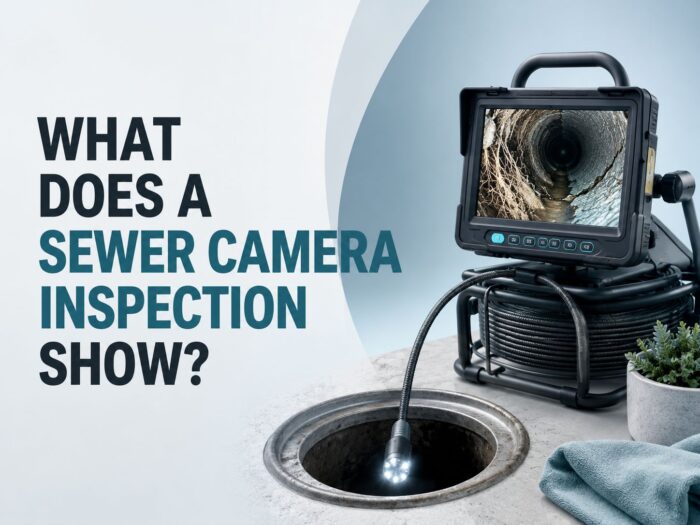
A technician feeds a waterproof camera on a flexible cable into the pipe through an access point, a cleanout, floor drain, or sometimes a pulled toilet. The camera transmits live video to a monitor while a built-in locator tracks distance, so any problem that shows up can be mapped to its exact spot underground. The whole thing takes about an hour for a standard residential line, and most inspections are recorded so you leave with footage you can reference later.

Condition findings are graded against standards set by NASSCO (National Association of Sewer Service Companies), which matters because it means two different contractors looking at the same footage should arrive at the same assessment, not one calling something minor and another calling it urgent.

What Shows Up on the Footage

Here’s where it gets specific. The camera doesn’t just confirm “there’s a problem.” It shows you the type of damage, where exactly it is, and how far along it’s gotten. Those three things together are what drives the repair decision.

Cracks and fractures are the most common finding in Ontario, particularly in homes built before the 1970s. A hairline crack doesn’t cause a backup on its own, but it’s an open door for tree roots and groundwater over time. You can see on the footage how long the crack runs and whether it’s progressing through the pipe wall or sitting at the surface.

Root intrusion looks exactly as bad as it sounds. Roots follow moisture, any gap at a joint or crack in the pipe and they’re in. What the camera shows you is how far they’ve gotten. Fine feeder roots near a fitting are a very different situation from a root mass that’s grown dense enough to block flow. Both show up clearly; both have different timelines for when they become urgent.

Joint separation is something we see a lot in Ontario homes, where freeze-thaw cycles do years of quiet damage to buried pipes. When a joint shifts out of alignment, it doesn’t always cause an immediate backup, it just sits there letting roots in, letting soil wash through, letting wastewater seep out into the ground. The footage shows the size of the gap and which direction the pipe has offset.

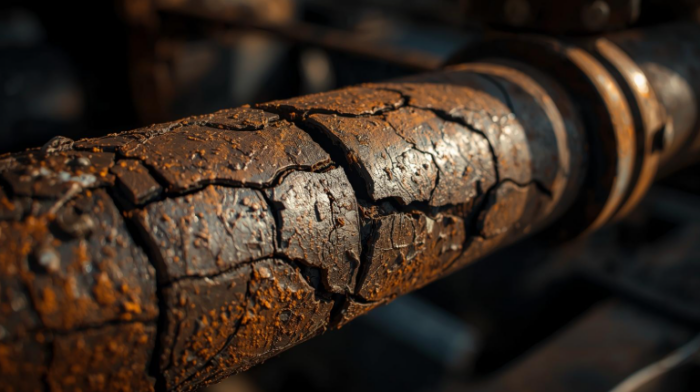
Corrosion is mainly a cast iron issue. Those pipes corrode from the inside, and the camera shows you where you’re dealing with surface scaling versus actual wall thinning. That distinction matters because a heavily corroded section may not be a candidate for lining, there needs to be enough pipe wall left for a liner to bond to.

Bellied or sagging pipe is one of the trickier findings because it changes what repair options are on the table. A belly is a section that’s dropped lower than the rest of the line, creating a low spot where wastewater pools instead of flowing out. You can see the standing water on footage. The reason this matters for repair decisions is that CIPP lining follows the existing grade of the pipe, if the belly is severe, lining it just permanently preserves the problem. That’s a situation where the camera inspection changes the whole recommendation.

Blockages and buildup grease, debris, foreign objects, show up clearly too. The camera lets you see exactly where a partial blockage is forming and how much of the pipe’s interior is still open. This is useful before a backup actually happens, because by the time something backs up into the house the blockage has usually been building for a while.

One thing the footage also shows is what the pipe is actually made of, which isn’t always obvious from the outside. Clay, cast iron, PVC, each material ages differently and fails differently. Knowing what you’re working with helps estimate how fast conditions are likely to change.

For example, here’s a few cases we’ve worked on. In one instance at the Coca Cola bottling facility, the sanitary pipes experienced constant backups, prompting the facility manager to investigate the cause. A drain line camera inspection revealed that the bottoms of the pipes were completely missing due to severe corrosion. These failing underground pipes are located beneath millions of dollars’ worth of machinery for the beverage production line, which could not be moved or damaged. Thankfully, with our state-of-the-art trenchless sewer line replacement option using cured-in-place pipelining, we were able to essentially replace the underground pipes with new ones that will last nearly 50 years, without the need for costly digging, suspension of operations and other inconveniences.

Contact Us Button

What the Camera Can’t Tell You

A camera inspects the inside of the pipe. It has no way of seeing what’s happening on the outside, soil voids that have formed around the pipe, external corrosion, or how much groundwater pressure is building against the wall. If a slow leak has been washing soil into the line over time, the camera shows you the result, a cavity, missing pipe wall, but not the external conditions that caused it. For that level of assessment you’d need sonar profiling or ground-penetrating radar.

Flow performance is another gap. A pipe can look structurally intact on footage and still drain poorly because of improper slope. The camera alone doesn’t confirm that you need a separate flow test.

Worth knowing before you book one: the inspection is a diagnostic, not a repair quote. What it gives you is the information to make a good repair decision. The footage is the starting point, not the endpoint.

What To Do With Your Sewer Camera Inspection Results

The footage means different things depending on what it shows.

Minor findings like a small root intrusion near a joint, a hairline crack, early-stage corrosion often does not need immediate action. The technician will tell you what to watch for and suggest a timeline for re-inspection. A lot of homeowners are surprised to find out a problem they were anxious about can wait.

Moderate damage is where lining usually makes sense. Established root growth, a corroded section, joint separation that hasn’t turned into a full offset or if the pipe still holds its shape, a liner can go in through the existing access points without digging anything up. The camera inspection is what determines whether a pipe is actually a candidate for lining. You can’t skip straight to CIPP as liner thickness, resin selection, and the prep work all depend on what the footage shows.

Severe damage like full collapse, major offset, multiple blocked sections, typically means the pipe can’t be lined and needs either targeted excavation or full replacement. A camera inspection that turns up that finding isn’t a bad result. It’s a lot better than getting partway through a lining job and finding out then.

Contact Us Button

When It Makes Sense to Book One

You don’t need an active problem to justify a camera inspection. There are a few situations where it’s particularly worth doing.

Before buying a house is near the top of the list. Standard home inspections don’t include a sewer scope, and older Ontario homes, especially anything with clay or cast iron pipes from the 1950s through early 1970s are common candidates for hidden issues. A camera inspection before closing gives you negotiating leverage if something turns up, or just peace of mind if it doesn’t. The cost is a fraction of what a surprise repair runs after you’ve already moved in. If an inspection does uncover significant damage, it can also connect you to rebate programs, the City of Toronto’s Basement Flooding Protection Subsidy Program covers certain qualifying repairs for eligible homeowners.

If you’ve had the same drain snaked more than once without a lasting fix, that’s another good reason. Snaking clears the symptom. The camera shows what keeps causing it.

Conclusion

Property managers and building owners use periodic inspections as a maintenance tool. When asking, what does a sewer camera inspection show? The answer is often issues that would otherwise only surface as emergencies. Cracks, root intrusion, blockages, deteriorating pipe sections, and other developing problems often appear quietly on camera footage long before they cause damage, backups, or tenant complaints.

Ontario Pipe Lining provides sewer camera inspections for residential and commercial properties across Ontario. We use high-definition equipment, provide recorded footage, and walk you through what we found and what, if anything, needs to happen next. Reach out to book an inspection or ask questions about your specific situation.

Contact Us Button

Questions We Hear Regularly

1. How much does it cost?

Most residential inspections in Ontario come in between $200 and $600. Line length, access difficulty, and whether the job includes a written condition report all affect the price. Still considerably less than discovering a serious problem after the fact.

2. Do I need to be home?

Yes, at least to start. The technician needs access to an interior drain or cleanout. After that, most of the work is outside or at the monitor but someone has to be there to let them in.

3. Can the camera find a leak?

It can show signs of a leak from the inside: infiltration, wall damage, soil visible through a crack. It can’t confirm an active leak rate or see what’s happening on the outside of the pipe. If footage suggests a leak, a technician will tell you what additional testing would confirm it.

4. What’s the difference between a sewer camera inspection and a sewer scope?

Nothing, same equipment, same process. Real estate agents tend to say “sewer scope.” Plumbers and lining contractors say “sewer camera inspection” or “drain camera inspection.”

5. If something is found, do I have to fix it immediately?

Not always. Minor findings often have some runway. A straight-talking contractor tells you honestly what’s urgent and what can wait. For reference on how long pipe lining lasts once repairs are done, quality CIPP work holds up for 50 years or more under normal conditions, so addressing moderate damage sooner rather than later tends to pay off.

6. How often should I get one done?

Every 5 to 10 years is reasonable for most homes with no known issues. Mature trees near the sewer line, clay or cast iron pipes, or any history of backups, push the interval closer to every 2 to 3 years. Annual inspections make sense for property managers running older multi-unit buildings.

Top 7 Plumbing Tips for New Homeowners in Ontario

Top 7 Plumbing Tips for New Homeowners in Ontario

Moving into your first Ontario home is exciting. Finally you have your own space. But between snowy winters, humid summers, and aging municipal infrastructure, your plumbing system works harder here than in many other provinces.

Many first time buyers overlook hidden risks like underground pipe damage that can only be detected with a professional sewer camera inspection or advanced trenchless repair methods like CIPP. You can save thousands in repairs by understanding your system early on.

This guide covers the most practical and realistic plumbing tips for new homeowners in Ontario. These are not generic suggestions. They are tailored to Ontario weather, soil conditions, and housing infrastructure.


Contact Us Button

Why Plumbing Tips for New Homeowners Matters More in Ontario

Winters are a no laughing matter in Ontario.

Temperatures drop well below freezing, especially in Northern Ontario and rural areas. A common winter emergency in cities like Toronto, Ottawa, or Hamilton is frozen pipes. Ontario’s plumbing systems face unique challenges like:

  • Freezing temperatures that can burst pipes

  • Spring thaw and heavy rainfall that overwhelm drains

  • Clay and cast iron sewer lines in older cities

  • Hard water mineral buildup in many regions

If you want to protect your investment, the following plumbing tips for new homeowners are essential.

1. Protect Your Pipes from Freezing

When you understand why pipes freeze in Ontario you are able to protect your pipes from freezing. As temperature drops below zero, exposed pipes with water freeze. Frozen water expands. This expansion puts pressure on pipe walls and can lead to bursting. Learning how to avoid pipe leaks early can prevent expensive water damage, especially during Ontario’s freezing winters.

Common freeze risk areas include:

  • Basements with poor insulation

  • Garages

  • Exterior walls

  • Crawl spaces

You can be better prepared and might be able to stop it from happening by making sure exposed pipes are insulated with foam sleeves. Air leaks around foundation walls is sealed, indoor temperature is to be kept consistent and make sure that before winter starts, disconnect and drain outdoor hoses.

If you leave for vacation in winter, never shut off the heat completely. Since Ontario winters are unpredictable and temperatures can drop inside adversely affecting your pipes.

For new homeowners living in cold climates, simple actions are the most important plumbing tips.

2. Know Where Your Main Water Shut Off Valve Is

Every Ontario homeowner should locate the main shut off valve within the first week of moving in. Why? Because if a pipe bursts in January at 2 am, every second counts.

Check these locations:

  • Basement near the front wall

  • Utility room

  • Near the water meter

Gently turn it once, to ensure it is functional. Replace it if it is stuck or corroded. You can save thousands of dollars in water damage by understanding this one control point .

3. Protect Your Basement from Heavy Rain and Spring Thaw

Ontario faces rapid snowmelt and intense rainfall. Homeowners do not realize two separate risks occur at once. Two major flood risks during Ontario storms are:

1. Sewer Backups

When city sewer systems become overloaded:

  • Water and sewage can reverse flow
  • Basement floor drains may back up

You can prevent this from happening by: 

  • Installing backwater valve
  • Cleared gutters
  • Ensure downspouts direct water away from foundation
  • Schedule regular drain inspections

Due to aging infrastructure older neighborhoods are especially vulnerable.

2. Groundwater Flooding

At the same time, melting snow increases groundwater pressure around your foundation. If your sump pump is not functioning properly:

  • The basement can have water seepage
  • Foundation cracks may allow moisture inside
  • Finished basements can flood quickly

Sump pump maintenance checklist:

  • Test pump every three months
  • Clean debris from pit
  • Check discharge line for blockage
  • Install battery backup system

Contact Us Button

4. Watch for Tree Root Intrusion

Ontario properties often have mature trees. While beautiful, tree roots naturally seek moisture making sewer lines a target. Clay pipes in older homes are especially vulnerable. Roots enter through tiny cracks and grow inside pipes, blocking flow.

Signs of Root Damage

  • Repeated clogs
  • Frequent drain cleaning
  • Slow flushing toilets
  • Wet patches in yard

Root intrusion can be detected early by preventative inspections. Without excavation modern trenchless repair rehabilitates pipes. Thus, your property is preserved and money is saved by being proactive.

5. Manage Hard Water and Protect Your Fixtures

Many parts of Ontario have hard water containing high mineral content.

Over time this causes:

  • Scale buildup in pipes
  • Reduced water pressure
  • Shortened lifespan of appliances
  • Spotting on fixtures

Consider installing:

  • A water softener
  • Whole home filtration system

Maintaining water quality is one of the most practical plumbing tips for new homeowners who want to extend the life of their plumbing system.

6. Avoid Common Drain Mistakes

Everyday habits cause plumbing emergencies. A difference is made by understanding basic plumbing do’s and don’ts for homeowners.

Never Flush:

  • Wipes even if labeled flushable
  • Paper towels
  • Feminine hygiene products
  • Grease or oil

Grease solidifies quickly in cold Ontario temperatures, especially in winter. It clings to pipe walls and creates stubborn blockages.

Instead:

  • Dispose of grease in containers
  • Use drain strainers
  • Run hot water after dishwashing

Small habits prevent big problems.

7. Schedule Annual Plumbing Inspections

Preventative care is cheaper than emergency repair. Annual inspections allow professionals to:

  • Check pipe condition
  • Test water pressure
  • Inspect sump pump
  • Evaluate sewer lines

For new buyers, especially in homes over twenty years old, inspections are part of responsible ownership. Among all plumbing tips for new homeowners, this one delivers long term peace of mind.

Conclusion

As a homeowner in Ontario you have to prepare for four very different seasons. Constant stress is faced by plumbing from deep freezes to spring floods,

You are able to protect your investment and reduce emergency risks by following these plumbing tips for new homeowners.  Rather than reacting to problems smart homeowners stay a step ahead. 

Don’t spend time waiting for a burst pipe or basement flood that can quickly turn messy and rack up expensive repairs. Call us today at Ontario pipe lining 905.442.5235 where we help prevent and solve all your plumbing problems efficiently.


Contact Us Button

Frequently Asked Questions

How can you avoid bathroom plumbing maintenance?

Well, the easiest way is prevention. Make use of drain strainers, don’t flush wipes and monthly check for leaks. Major repair can be prevented by a quick inspection under the sinks.

Is there any plumbing maintenance checklist?

Yes. Test your sump pump. Look for leaks. Inspect caulking around fixtures. Ensure drains flow properly. A yearly professional inspection adds extra protection. Consistency matters more than complexity.

How do you get the best plumbing solutions for your home?

Work with Ontario’s licensed professionals who understand local soil conditions, freeze thaw cycles, and municipal codes. Long term reliability is built through regular inspections and preventative upgrades.

What’s one easy everyday habit homeowners can adopt to prevent common plumbing disasters?

Be mindful of what goes down your drains. Avoid grease, wipes, and hair buildup. Small daily habits prevent big plumbing emergencies.

Signs Your Drain Pipe Might Be Cracked

Signs Your Drain Pipe Might Be Cracked

In the background, behind walls, under floors your drain pipes function quietly, this quietness is disrupted once something goes wrong and damage grows fast. Early warning signs are usually ignored by homeowners since they are unsure of its meaning and significance. You as a homeowner are able to save hundreds in costly repairs as well as prevent stress once you understand and learn the signs your drain pipe might be cracked.

At Ontario Pipe Lining we help property owners across Ontario detect issues early using sewer camera inspection, advanced CIPP solutions and proven methods as explained in how cipp helps broken pipes.


Contact Us Button

Signs Your Drain Pipe Might Be Cracked & Why Cracked Drain Pipes Are a Serious Problem?

An appearance of a small crack in the moment may not seem urgent however it rarely stays small. Over time water pressure, soil movement and everyday use can turn a minor issue into a full pipe failure.

Cracked drain pipes can lead to:

  • Water damage inside walls and ceilings
  • Mold growth that affects indoor air quality
  • Foundation weakening due to soil erosion
  • Higher water bills from unnoticed leaks

Ontario Pipe Lining often sees cases where early detection could have prevented costly structural repairs.

Signs Your Drain Pipe Might Be Cracked Inside Your Home

Slow Drains That Keep Coming Back

A single slow drain may just be a clog. But even after cleaning multiple drains, recurring slow draining is often an indication of deeper trouble. Thus, this is one of the most common signs your drain pipe might be cracked in older homes.

Unpleasant Odors

Cracks allow sewer gases to escape. If you constantly smell a musty or sewage smell in the air especially near the drains it shouldn’t be ignored.

Water Stains and Damp Areas

If your walls, floors or ceiling appear to be discolored, there may be moisture in places it doesn’t belong. Often this indicates that water is leaking from a damaged drain pipe.

Strange Sounds From Plumbing

Gurgling or bubbling noises after flushing or draining water can signal air escaping through cracks. These sounds often appear before visible damage.

Outdoor Signs Your Drain Pipe Might Be Cracked

Unexpected Patches of Lush Grass

When wastewater leaks into soil it acts like fertilizer. Bright green patches in your yard can point to a cracked underground drain.

Sinkholes or Soft Ground

Cracks allow water to wash away soil. Over time this creates dips or soft spots around your property.

Pest Activity

Rodents and insects are drawn to moisture. Increased pest activity near your foundation can be linked to hidden drain damage.

How Ontario Pipe Lining Diagnoses Pipe Damage

Sewer Camera Inspections

Our team uses high resolution cameras to inspect the inside of your drain pipes. This non invasive process shows cracks, root intrusion and misalignments clearly.

Benefits include:

  • Accurate diagnosis
  • No digging or demolition
  • Faster repair planning

Trenchless CIPP Solutions

Once damage is confirmed Ontario Pipe Lining often recommends cured in place pipe lining. This method restores pipes from the inside without excavation.

Advantages of CIPP include:

  • Minimal disruption
  • Long lasting results
  • Cost effective repairs

Homeowners often ask how to stop pipe from cracking and preventive lining is one of the best answers.


Contact Us Button

Preventing Future Drain Pipe Damage

Regular Inspections

By scheduling periodic inspections throughout the year it helps in detecting small problems early on. For commercial properties and multi unit buildings this is especially important for the maintenance of good sewer lines.

Avoid Chemical Cleaners

Over time, walls are weakened by harsh chemicals. It is safer to opt for mechanical cleaning and professional maintenance.

Manage Tree Roots

Roots naturally seek moisture. Proper landscaping and root barriers can reduce underground pipe stress.

Hidden Consequences of Ignoring Cracked Drain Pipes

Cracked drain pipes cause long term problems that go beyond the surface damage and slow drains which often go overlooked. Quietly these cracks create lasting impacts on your property and expenses when left untreated:

  • Increased insurance claims or denied coverage due to prolonged water damage


  • Structural shifting caused by repeated moisture exposure under slabs


  • Reduced property value discovered during home inspections or resale


  • Higher repair costs when small cracks turn into collapsed pipe sections


  • Emergency plumbing situation disrupts daily routines 

You can maintain the integrity of your house by addressing drain pipe issues which help prevent complications during property transactions, and before any minor damage can convert into a major one it provides a peace of mind.

Why Homeowners Trust Ontario Pipe Lining

Ontario Pipe Lining is known for honest assessments and advanced trenchless technology. We prioritize solutions that fit your property and budget.

Our approach includes:

  • Detailed inspections
  • Clear explanations
  • Durable repair methods

You are able to make informed decisions by understanding about the signs your drain pipe might be cracked, further allowing you to avoid unnecessary disruption.

Conclusion

It is a rare occurrence for crack drain pipes to solve by themselves. Before the occurrence of major damage, warning teaser signs usually appear beforehand. Not only are you able to protect your home by paying close attention to the changes taking place outside and inside your home but also save your plumbing system as well as your investment. If left untreated these small cracks can grow into major issues and that can break the bank. 

Here at Ontario Pipe Lining provides reliable inspections and trenchless repairs designed to restore confidence in your drains while minimizing disruption.


Contact Us Button

Frequently Asked Questions

What causes drain pipes to crack?

Drain pipes crack due to age ground movement tree roots corrosion and temperature changes. Specifically, old materials are more vulnerable.

How long does a sewer camera inspection take?

Most inspections take less than an hour and provide immediate visual results for accurate diagnosis.

Is trenchless pipe lining durable?

Yes CIPP liners are designed to last for decades and resist corrosion and root intrusion.

Can cracked drain pipes affect health?

Yes, leaks can cause mold growth and release sewer gases which may impact indoor air quality.

How Long Does Pipe Lining Last? CIPP Lifespan Explained

How Long Does CIPP Pipe Lining Last? What Homeowners Should Know

Are you wondering how long does pipe lining last? Well, you are in the right place since this guide explains everything clearly from top to bottom and in a homeowner-friendly way that is sure to be understandable. Still unsure and have questions, contact us today at Ontario pipelining.

If you are dealing with aging sewer pipes, you may want to begin with a sewer camera inspection offered by us before committing to a repair. It is better to understand the extent of the damage, then explore trenchless solutions like CIPP, compare results with how long clay pipes last. Pipe lining has become one of the most trusted options, but its lifespan is a key concern.


Contact Us Button

What Is CIPP Pipe Lining and How Long Does Pipe Lining Last?

A modern and trenchless solution is offered by cured-in-place pipe lining which is also commonly known as CIPP pipe lining. This technique saves your yard or driveway from being dug up or landscaping being disturbed.

Instead, technicians insert a flexible liner coated with a special resin directly into the existing pipe. The liner is then accurately aligned carefully, and is then through heat or UV light cured. You achieve a smooth and durable pipe within a pipe once it is cured and hardened. This seals the cracks, prevents leaks, and restores proper flow with minimal disruption to your property.

Why Homeowners Choose Pipe Lining

Pipe lining has become popular since it offers:

  • Minimal disruption
  • Faster installation
  • Long-term durability
  • Lower overall repair costs

Mostly, it is used for residential sewer lines with cracks, corrosion, or root intrusion.

How Long Does Pipe Lining Last in Real Life?

Professionally installed pipe lining such as one by Ontario pipeline has an impressive average lifespan.

40 to 60 years is the duration for most systems, lasting between, with many exceeding that range under ideal conditions. In some cases, performance rivals or exceeds traditional replacement methods.

Often than not, people are surprised to learn that it is not just a temporary fix but rather a permanent repair when they ask how long does pipe lining last.


Contact Us Button

Factors That Affect Pipe Lining Longevity

How long a lined pipe will perform? Well, here are some elements that influence it:

Main influences on pipe lifespan

  • Installation Quality
  • Condition of the Original Pipe
  • Soil and Environmental Conditions
  • Daily Usage Habits

Even strong materials can fail early if conditions are unfavorable.

Comparing Pipe Lining to Traditional Replacement

Understanding how long does pipe lining last becomes easier when you compare it to other options.

Pipe Lining vs Dig-and-Replace

Pipe lining advantages:

  • No excavation
  • Faster completion
  • Less property damage

Traditional replacement disadvantages:

  • Higher labor costs
  • Landscaping repairs
  • Longer project timelines

In many cases, lining offers similar longevity with fewer drawbacks.


Contact Us Button

How Long Does Pipe Lining Last Compared to Older Pipes?

Older sewer materials wear down naturally.

Lifespan Comparison

  • Clay pipes: prone to cracking and roots
  • Cast iron pipes: rust internally
  • Orangeburg pipes: collapse with age
  • CIPP lining restores function while reinforcing the original pipe

Thus, rather than a mere simple repair, many homeowners researching how long does pipe lining last see it as a smart upgrade.

Is Pipe Lining a Permanent Solution?

Pipe lining, well yes, when installed correctly, is considered a long-term fix.

Structural Strength

Once cured, the liner becomes jointless, root-resistant, corrosion-resistant. It effectively seals the pipe from the inside.

Realistic Expectations

While no system lasts forever, pipe lining is engineered to perform for decades under normal conditions.

Maintenance After Pipe Lining

Lined pipes still benefit from basic care.

Simple Maintenance Tips

  • Wipes or debris that is not flushable shouldn’t be sent down the drain
  • Don’t pour grease down the drain
  • Regular inspections should be periodically scheduled

These habits support the full lifespan potential.

Cost vs Longevity Value

While yes, upfront pipe lining surely costs a pretty penny, but it is a long-term investment whose value lies in durability.

Long Term Saves:

  • Fewer repairs
  • No excavation expenses
  • Reduced emergency plumbing calls

Understanding how long does pipe lining last helps homeowners justify the investment.

Conclusion

The handling of sewer repair has today been transformed by pipe lining. Homeowners are now offered a smarter and minimally invasive option which proves to be a better alternative against traditional pipe replacement.

A long-lasting durability is provided, with an average of 40 to 60 years, which proves to be dependable performance. For homeowners looking for a reliable, long-term solution without the mess and stress of digging up their property, pipe lining offers both lasting value and genuine peace of mind.


Contact Us Button

Frequently Asked Questions

How long does pipe relining last?

Across several decades, pipe lining can last in most residential settings, the catch is, the pipelining should be properly installed and cured. A corrosion-resistant and root-intrusive solution is provided by this durable solution which minimizes the need for repairs in the future.

How long does CIPP last?

CIPP systems are engineered to perform for 40 to 60 years or more under normal conditions.

Can pipe lining fail early?

Yes, poor installation or severe pipe damage can shorten lifespan.

Does pipe lining reduce pipe diameter?

The liner slightly reduces diameter, but smoother walls often improve flow.

Is pipe lining better than replacement?

In many cases, it offers similar longevity while avoiding excavation, protecting landscaping, reducing labor time, and lowering overall repair costs for homeowners seeking a long-term solution.

How Long Do Sewer Pipes Last? Lifespan by Pipe Type

How Long Do Sewer Pipes Last? Lifespan by Pipe Type

Sewer pipes run quietly and efficiently in the background without gathering much attention. However, once a problem arises that is no longer the case and homeowners are forced to start thinking about them. To see what is happening inside the pipes, a professional sewer camera inspection is often the smartest first step when issues arise. Once damage is confirmed, methods like CIPP are often recommended as a no-dig solution. People also compare materials by researching how long clay pipes last or learning how to stop pipes from freezing in colder climates. All of this usually leads to one important question homeowners want answered clearly: how long do sewer pipes last?

For more information or to book a consultation, contact us today at Ontario Pipe Lining where we aim to provide the best solution to your piping problems.


Contact Us Button

How Long Do Sewer Pipes Last & Why Sewer Pipe Lifespan is Important

Sewer pipes don’t last forever. Slowly but surely with time due to wear builds up from water flow, waste, soil pressure, and environmental changes pipe lining tends to deteriorate. Homeowners are granted a chance to plan ahead of time by understanding how long do sewer pipes last rather than rushing at the last minute, reacting to emergencies.

Why lifespan knowledge matters

A sewer camera inspection helps prevent unexpected backups, reduces the risk of costly emergency repairs, and allows homeowners to plan upgrades responsibly instead of reacting to sudden failures. It also protects your yard and foundation by eliminating the need for unnecessary digging. Older homes, in particular, tend to experience sewer issues more frequently due to aging sewer pipe linings, which are one of the most common culprits behind property damage in these properties.

What Affects How Long Sewer Pipes Last?

Not all sewer systems age the same way. Several factors influence how long pipes remain functional.

Main influences on pipe lifespan

  • Material used
  • Installation quality
  • Soil conditions
  • Tree root growth
  • Climate changes
  • Maintenance habits

Even strong materials can fail early if conditions are unfavorable.

Understanding Sewer Pipe Materials Over the Years

Different construction eras used different materials. Each has its own strengths, weaknesses, and expected lifespan. Understanding pipe material is essential when asking how long do sewer pipes last in your specific home.

Orangeburg Pipe Lifespan

Orangeburg pipe was commonly installed between the 1940s and 1970s. It was made from wood pulp fibers bonded with tar.

Expected lifespan: Around 30 to 50 years

Common problems:

  • Pipe flattening
  • Cracking under pressure
  • Root intrusion
  • Internal deterioration

Clay Pipe Lifespan

Clay sewer lines were widely used in older neighborhoods and cities.

Expected lifespan: Roughly 50 to 60 years

Common problems:

  • Cracks from soil movement
  • Separated joints
  • Root penetration

Cast Iron Pipe Lifespan

Cast iron sewer systems were valued for strength and durability.

Expected lifespan: Between 40 and 70 years

Common problems:

  • Rust buildup
  • Internal corrosion
  • Restricted flow

Modern Sewer Pipe Materials

Newer homes typically use plastic-based materials such as PVC.

Expected lifespan: 75 to 100 years

Why modern pipes last longer:

  • Resistant to corrosion
  • Lightweight and flexible
  • Smooth interior walls


Contact Us Button

How Long Do Sewer Pipes Last in Everyday Conditions?

Manufacturer estimates don’t always reflect real life. In real-world conditions, how long do sewer pipes last depends heavily on environment, usage, and maintenance.

Real-world influences

  • Soil shifting
  • Freeze and thaw cycles
  • Groundwater levels
  • Improper disposal habits

Warning Signs Sewer Pipes May Be Failing

Sewer pipes usually show warning signs before failure.

Common red flags:

  • Frequent drain clogs
  • Slow drainage in multiple fixtures
  • Sewage odors indoors or outside
  • Gurgling sounds
  • Wet patches in the yard


Contact Us Button

How Ontario Pipe Lining Diagnose Sewer Issues

We at Ontario Pipe Lining take our work very seriously. We start with the following steps:

1. Drain Camera Inspection

A video inspection lets our technicians view your sewer line from inside. They can identify:

  • Cracks
  • Root intrusion
  • Blockages
  • Pipe misalignment
  • Corrosion

2. Locating the Problem With Precision

Our technicians use sensors to pinpoint the exact depth and location of damage so repairs are efficient and minimally disruptive.

3. Trenchless CIPP Repair

Our technicians use state-of-the-art machines and technology to rehabilitate your sewer line internally, without digging up your yard when using CIPP (Cured-in-Place Pipe).

Included benefits:

  • No major excavation
  • Faster repair time
  • Long-lasting results
  • Minimal disruption

When Sewer Pipe Replacement Is Necessary

Some situations require full replacement.

Replacement may be needed when:

  • Pipes collapse
  • Severe misalignment exists
  • Structural damage is extensive
  • Repairs are no longer effective


Contact Us Button

Frequently Asked Questions

How long do sewer pipes last on average?

The timeline may vary depending on conditions and material of the line but approximately most sewer pipes have a timeline of 40 to 100 years.

Can aging sewer pipes be repaired instead of replaced?

Yes. Many deteriorating old pipes can be restored using trenchless repair methods.

Do tree roots reduce sewer pipe lifespan?

Yes. In older pipes a major cause of cracks and joint separation is roots which can brutally invade and block your pipeline.

How often should sewer pipes be inspected?

For older systems it is recommended to schedule an inspection with professionals such as us at Ontario pipelining every few years or when problems appear.

Is pipe age the only factor that matters?

No. A pivotal role is played by soil conditions, climate, installation quality, and maintenance.


Contact Us Button

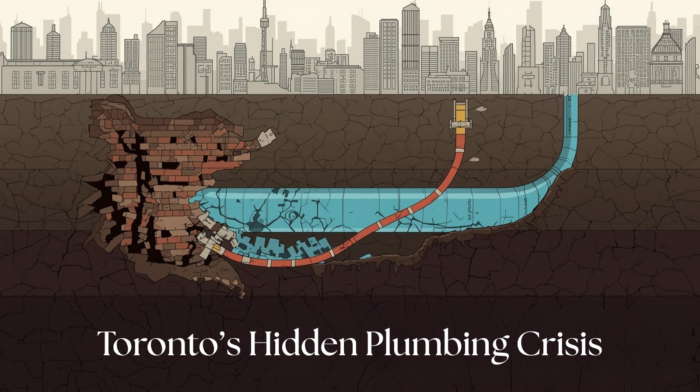
Toronto’s Hidden Plumbing Crisis: Why CIPP Lining Is the Modern Solution for a City Built on 100-Year-Old Clay Pipes

Toronto’s Aging Home Stock (Many Over 80–120 Years Old)

Toronto has no shortage of beautiful, historic neighborhoods. Areas like The Annex, Riverdale, Cabbagetown, Parkdale, Leaside, Leslieville, and Rosedale are full of homes built between the late 1800s and early 1900s. Solid craftsmanship, gorgeous brickwork, big trees and very old plumbing.

From an Ontario Pipe Lining perspective, these neighborhoods represent some of the highest concentrations of original sewer infrastructure still in active use anywhere in the province.

Many of these homes are still running on original clay tile, cast iron, or galvanized steel drain pipes. At the time, these materials were standard. Today, they’re well past their intended lifespan. Clay cracks. Cast iron corrodes from the inside out. Galvanized steel flakes and restricts flow.

Add in Toronto’s mature tree canopy, especially in places like High Park or the Beaches and those old pipes become prime targets for root intrusion. This is often discovered only after repeated backups or emergency calls for drain cleaning Toronto, when the real issue is structural, not just a clog.

Toronto’s Dense Urban Layout Makes Excavation a Nightmare

Now let’s talk about space or the lack of it. Toronto wasn’t designed for modern excavation. Downtown lots are narrow. Row houses share walls. Front yards are sometimes barely wider than the front steps.

Then you’ve got commercial strips like Queen West, the Danforth, or Yonge Street, where digging up sidewalks or roads isn’t just inconvenient, it’s borderline impossible due to permits, traffic, and disruption.

Across Ontario, and especially in Toronto, pipe lining specialists see this daily: traditional sewer repair methods simply don’t match the realities of dense urban construction.

Traditional sewer repair often means ripping up floors, tearing out landscaping, or digging deep trenches through tight spaces. CIPP changes that completely. Because the liner is installed from within the existing pipe, excavation is either minimal or not required at all. For Toronto’s layout, that’s a massive advantage.

Toronto Soil & Climate Issues

Toronto’s climate doesn’t do aging pipes any favors. Freeze–thaw cycles are relentless. Water seeps into small cracks, freezes, expands, and slowly forces pipes to crack, shift, or collapse.

In areas closer to Lake Ontario, higher water tables increase external pressure on already weakened pipes, accelerating deterioration. And those beautiful maple and oak trees? Their root systems are aggressive and constantly searching for moisture, old clay pipes might as well send them an invitation.

From an Ontario-wide pipe lining standpoint, Toronto combines all the worst conditions: aging materials, aggressive roots, and climate stress happening simultaneously.

CIPP liners create a seamless, jointless pipe within the old one, cutting off entry points for roots and stabilizing the line against soil movement.

Commercial Properties Have Even More Pressure

If residential sewer issues are stressful, commercial ones are a whole different level. Toronto’s older commercial districts, St. Lawrence Market, Kensington Market, Chinatown, and even parts of the Financial District, often have sewer lines buried under concrete slabs, storefront floors, or tightly packed basements.

Excavation in these settings can shut down a business for days or even weeks. Lost revenue, unhappy customers, safety risks, it adds up fast.

Ontario Pipe Lining projects in Toronto’s commercial core consistently highlight why trenchless methods have become the preferred option for property managers and landlords.

CIPP allows many businesses to repair failing drains overnight or within a single day. For restaurants, cafés, and retail spaces, that difference is huge. It’s one of the main reasons more property managers are turning to trenchless solutions instead of traditional sewer repair.

CIPP Benefits Tailored Specifically to Toronto

CIPP isn’t just popular everywhere, it’s especially well-suited to Toronto’s unique challenges.

Here’s why it works so well locally and why Ontario Pipe Lining professionals recommend it so often in the GTA:

  • No digging up historic streets or protected heritage landscapes
  • Ideal for narrow lots and shared-wall homes
  • Fast installation, often completed in one day
  • Extends the life of old pipes by 50 years or more
  • Permanently blocks tree root intrusion
  • Highly resistant to corrosion, perfect for aging cast iron systems

It’s essentially a structural renewal, not a patch. And for a city full of century-old infrastructure, that matters.

Real Toronto Case Examples

To put it into perspective, here are a few real-world-style scenarios you’ll hear about across the city:

  • A 100-year-old semi in Riverdale avoids a $30,000 excavation by lining the original clay sewer line instead of replacing it.
  • A café in Kensington Market repairs its main drain overnight using CIPP and opens the next morning like nothing happened.
  • A Victorian home in Cabbagetown preserves its front garden, brick walkway, and mature tree by choosing trenchless lining over digging.

In each case, the key step before lining was a sewer camera inspection, which confirmed the pipe’s condition and ensured CIPP was the right solution.

A Bit of Toronto Plumbing History

Here’s a fun (and slightly alarming) historical note: when many Toronto neighborhoods were first built, clay pipes were expected to last about 50 to 60 years. That means a lot of the city’s sewer infrastructure is now double its intended lifespan. Toronto is one of the clearest examples of a city where trenchless technology isn’t optional anymore, it’s necessary.

CIPP is essentially how Toronto is modernizing without tearing itself apart. It allows century-old systems to be upgraded internally, preserving the charm of historic neighborhoods while quietly solving serious infrastructure problems underground.

Why CIPP Is Becoming the #1 Choice

Between aging homes, dense construction, harsh climate conditions, and strict urban constraints, Toronto needed a better solution. CIPP fits that need almost perfectly. It’s why more homeowners, businesses, and even municipalities are turning to specialized CIPP companies instead of defaulting to excavation.

The pipes may be hidden, but the shift is very real. Toronto’s plumbing future isn’t about digging deeper, it’s about repairing smarter.

New CIPP Lining in Toronto: Frequently Asked Questions

How long will a cured-in-place pipe last?

A well-laid cured-in-place pipe (CIPP) liner should have a life span of 50 years or even more. 

What are the shortcomings of cured-in-place pipe?

Some limitations include: It is not applicable to a pipe that has entirely collapsed or has lost large parts of it, pipe should be open to clean and inspect and then lined, diameter reduction is small but present (typically insignificant with residential applications), experienced professionals will have to install it to make sure it is cured and adhered properly.

Most Toronto homes have aging pipes that are not completely broken, merely cracked or infested by roots and thus are perfect candidates of CIPP.

What is the cure time of CIPP?

The majority of CIPP residential projects in Toronto are completed in one day. The actual process of curing is usually a few hours, and is dependent on the length of the pipes, the diameter of the pipes and the method of curing (hot water, steam or UV). 

What is the Toronto Water Pipe Replacement Program?

Toronto Water Pipe Replacement Program is a city project aimed at assisting homeowners in the replacement of the public and domestic sections of the old water service pipes especially those composed of lead.