
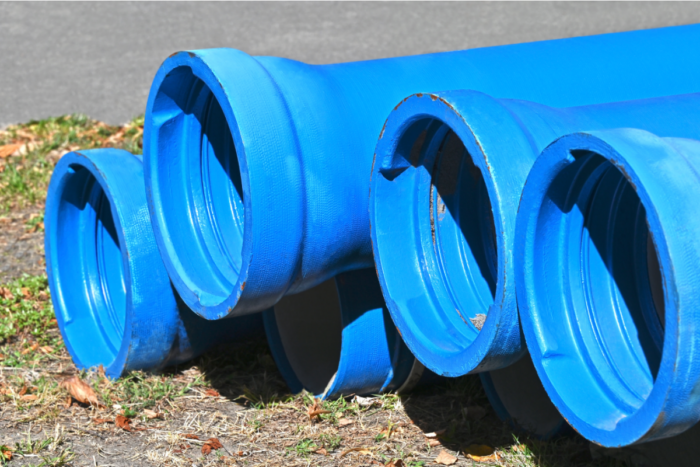
How Long Do Sewer Pipes Last? Lifespan by Pipe Type
How Long Do Sewer Pipes Last? Lifespan by Pipe Type
Sewer pipes run quietly and efficiently in the background without gathering much attention. However, once a problem arises that is no longer the case and homeowners are forced to start thinking about them. To see what is happening inside the pipes, a professional sewer camera inspection is often the smartest first step when issues arise. Once damage is confirmed, methods like CIPP are often recommended as a no-dig solution. People also compare materials by researching how long clay pipes last or learning how to stop pipes from freezing in colder climates. All of this usually leads to one important question homeowners want answered clearly: how long do sewer pipes last?
For more information or to book a consultation, contact us today at Ontario Pipe Lining where we aim to provide the best solution to your piping problems.

How Long Do Sewer Pipes Last & Why Sewer Pipe Lifespan is Important
Sewer pipes don’t last forever. Slowly but surely with time due to wear builds up from water flow, waste, soil pressure, and environmental changes pipe lining tends to deteriorate. Homeowners are granted a chance to plan ahead of time by understanding how long do sewer pipes last rather than rushing at the last minute, reacting to emergencies.
Why lifespan knowledge matters
A sewer camera inspection helps prevent unexpected backups, reduces the risk of costly emergency repairs, and allows homeowners to plan upgrades responsibly instead of reacting to sudden failures. It also protects your yard and foundation by eliminating the need for unnecessary digging. Older homes, in particular, tend to experience sewer issues more frequently due to aging sewer pipe linings, which are one of the most common culprits behind property damage in these properties.
What Affects How Long Sewer Pipes Last?
Not all sewer systems age the same way. Several factors influence how long pipes remain functional.
Main influences on pipe lifespan
- Material used
- Installation quality
- Soil conditions
- Tree root growth
- Climate changes
- Maintenance habits
Even strong materials can fail early if conditions are unfavorable.
Understanding Sewer Pipe Materials Over the Years
Different construction eras used different materials. Each has its own strengths, weaknesses, and expected lifespan. Understanding pipe material is essential when asking how long do sewer pipes last in your specific home.
Orangeburg Pipe Lifespan
Orangeburg pipe was commonly installed between the 1940s and 1970s. It was made from wood pulp fibers bonded with tar.
Expected lifespan: Around 30 to 50 years
Common problems:
- Pipe flattening
- Cracking under pressure
- Root intrusion
- Internal deterioration
Clay Pipe Lifespan
Clay sewer lines were widely used in older neighborhoods and cities.
Expected lifespan: Roughly 50 to 60 years
Common problems:
- Cracks from soil movement
- Separated joints
- Root penetration
Cast Iron Pipe Lifespan
Cast iron sewer systems were valued for strength and durability.
Expected lifespan: Between 40 and 70 years
Common problems:
- Rust buildup
- Internal corrosion
- Restricted flow
Modern Sewer Pipe Materials
Newer homes typically use plastic-based materials such as PVC.
Expected lifespan: 75 to 100 years
Why modern pipes last longer:
- Resistant to corrosion
- Lightweight and flexible
- Smooth interior walls
How Long Do Sewer Pipes Last in Everyday Conditions?
Manufacturer estimates don’t always reflect real life. In real-world conditions, how long do sewer pipes last depends heavily on environment, usage, and maintenance.
Real-world influences
- Soil shifting
- Freeze and thaw cycles
- Groundwater levels
- Improper disposal habits
Warning Signs Sewer Pipes May Be Failing
Sewer pipes usually show warning signs before failure.
Common red flags:
- Frequent drain clogs
- Slow drainage in multiple fixtures
- Sewage odors indoors or outside
- Gurgling sounds
- Wet patches in the yard
How Ontario Pipe Lining Diagnose Sewer Issues
We at Ontario Pipe Lining take our work very seriously. We start with the following steps:
1. Drain Camera Inspection
A video inspection lets our technicians view your sewer line from inside. They can identify:
- Cracks
- Root intrusion
- Blockages
- Pipe misalignment
- Corrosion
2. Locating the Problem With Precision
Our technicians use sensors to pinpoint the exact depth and location of damage so repairs are efficient and minimally disruptive.
3. Trenchless CIPP Repair
Our technicians use state-of-the-art machines and technology to rehabilitate your sewer line internally, without digging up your yard when using CIPP (Cured-in-Place Pipe).
Included benefits:
- No major excavation
- Faster repair time
- Long-lasting results
- Minimal disruption
When Sewer Pipe Replacement Is Necessary
Some situations require full replacement.
Replacement may be needed when:
- Pipes collapse
- Severe misalignment exists
- Structural damage is extensive
- Repairs are no longer effective
Frequently Asked Questions
How long do sewer pipes last on average?
The timeline may vary depending on conditions and material of the line but approximately most sewer pipes have a timeline of 40 to 100 years.
Can aging sewer pipes be repaired instead of replaced?
Yes. Many deteriorating old pipes can be restored using trenchless repair methods.
Do tree roots reduce sewer pipe lifespan?
Yes. In older pipes a major cause of cracks and joint separation is roots which can brutally invade and block your pipeline.
How often should sewer pipes be inspected?
For older systems it is recommended to schedule an inspection with professionals such as us at Ontario pipelining every few years or when problems appear.
Is pipe age the only factor that matters?
No. A pivotal role is played by soil conditions, climate, installation quality, and maintenance.